
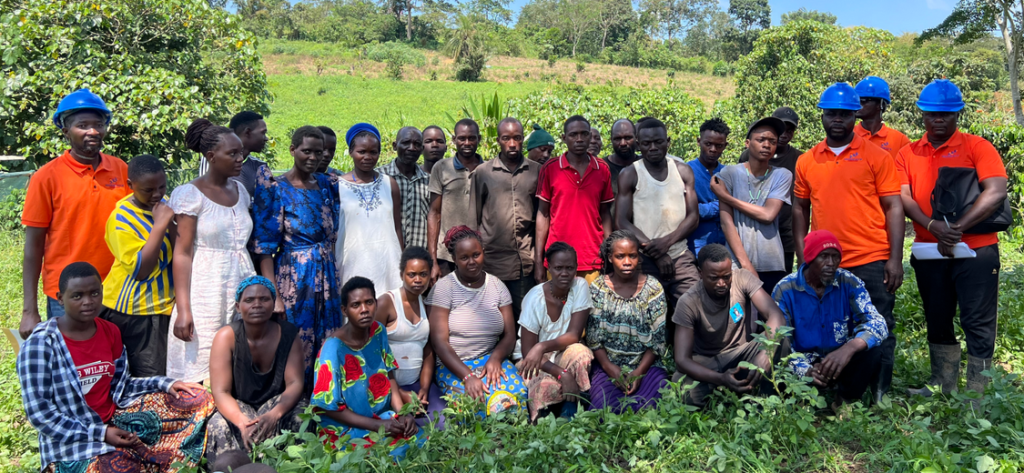
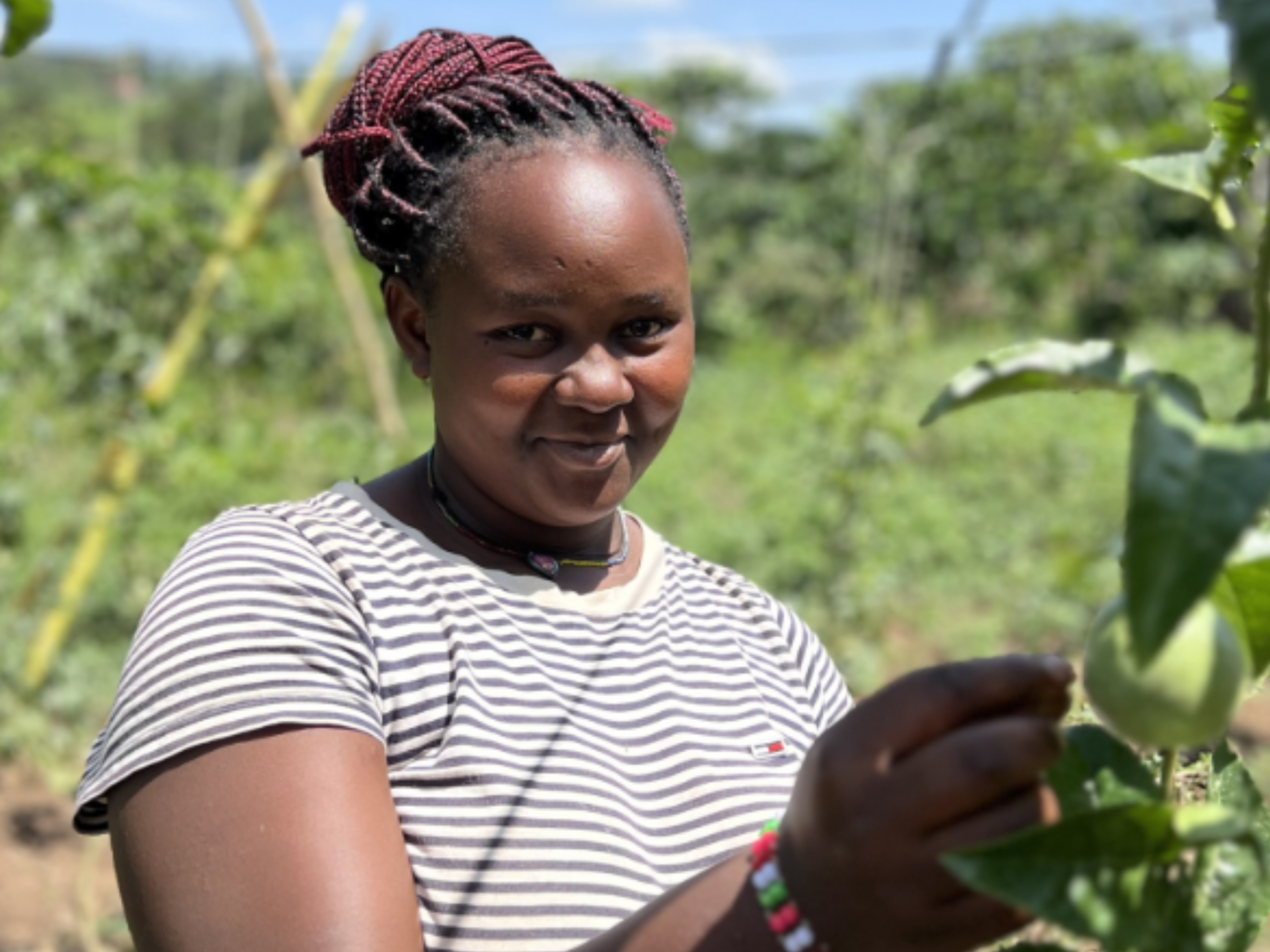
Strengthen rural production
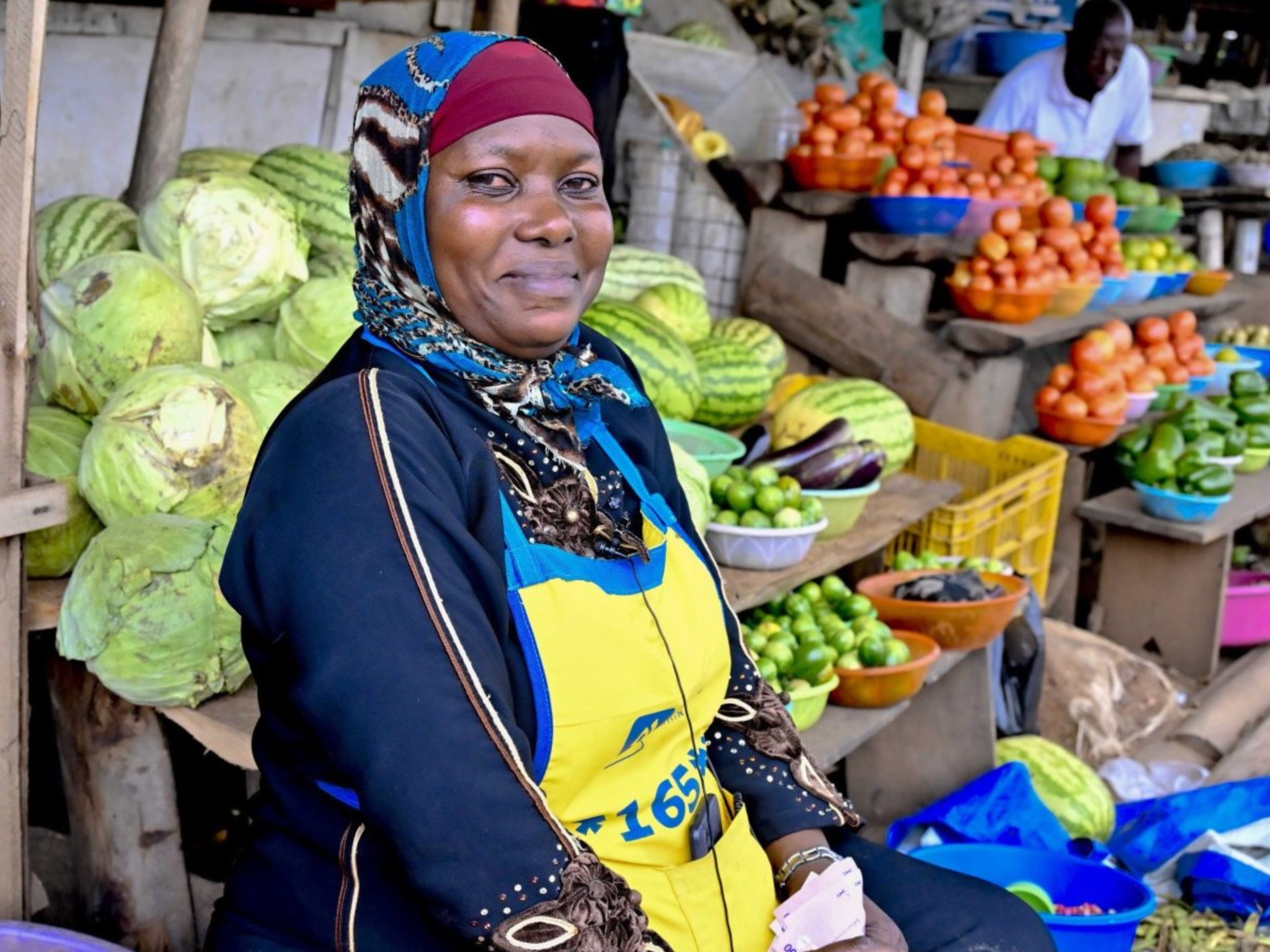
Mobilize urban consumers
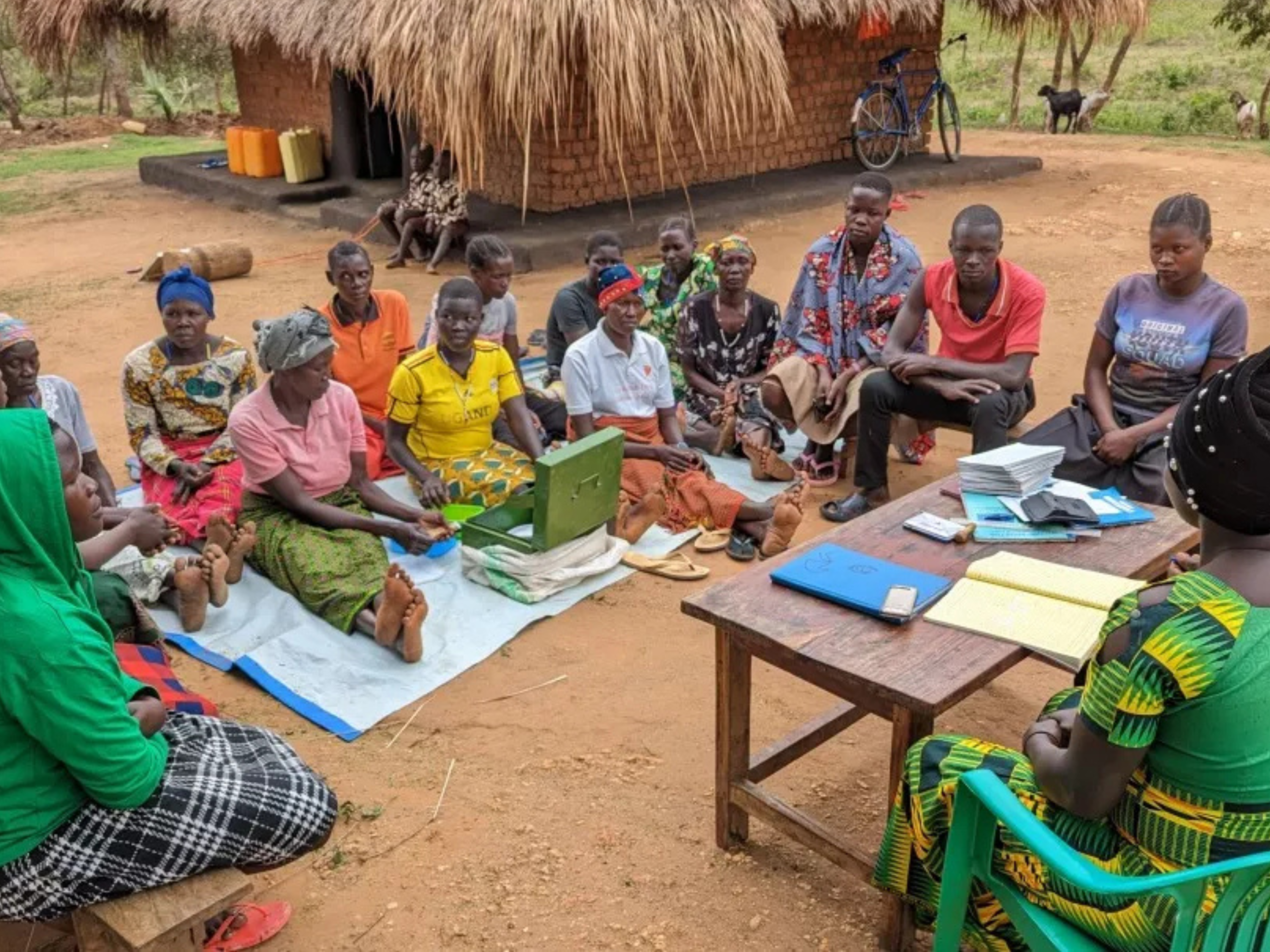
Unlock inclusive finance
A response to real gaps in Uganda’s food system
Uganda has a strong agricultural base, but many farmers still produce on small plots, struggle with transport, face post-harvest losses and sell through fragmented channels. At the same time, urban families need affordable, safe and dependable food. Our model reduces the distance between these two communities by combining local production, organized demand, practical logistics and fair finance.
80%
of Uganda’s rural population is employed in agriculture, making smallholder inclusion central to any livelihood solution.
1–3 acres
is the typical scale on which many smallholders operate, so aggregation and coordination matter.
50%
of food consumed in Kampala originates from within roughly 120 km of the city, showing the power of local and regional supply.




Better incomes, better access, better relationships
Our ambition is not only to sell produce. It is to create a long-term social enterprise pathway in which producers earn more predictably, consumers buy more confidently, and vulnerable households gain practical access to finance, markets and opportunity. This is how food systems become community systems.